What Is Simulated Process Printing?
:quality(50))
Simulated process printing, also simply called "sim process" for short, is when you use a few ink colors (a few screens) to make a myriad of colors. This process utilizes traditional spot colors in a manner that blends them together with halftones and gradients similar to full color process. This allows for a shirt design with dozens of colors, to use under 10 colors to make the exact same design.
What is simulated process printing used for?
Sim process is usually used to printing photos and high color graphics onto shirts.Think photo realistic designs, or similar to it.
Is sim process more expensive?
Generally yes, simply because the design is still going to have a high number of ink colors in it. So if you're screen printing sim process, the added color count will increase the cost. There could also be an added art charge, maybe $100-$200, to have your colors "separated". This is the art prep side of sim process. This a complex and super important part of the process.
Although this process is an added cost, it saves much more money than having to print all the colors separately which might not even be realistic. Added bonus? Once your design is separated, you never have to pay for that process again.
Why simulated process?
It provides vibrant designs, but still allows for a light, breathable, soft-hand shirt. It is the best option for color heavy designs with a lot of gradients and blending.
Examples of simulated process
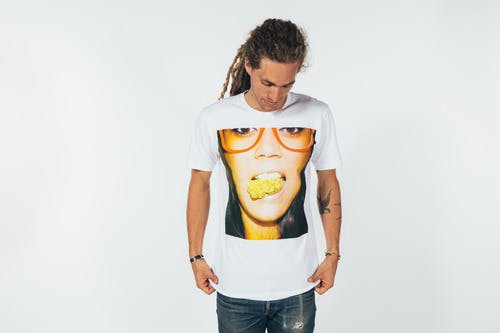
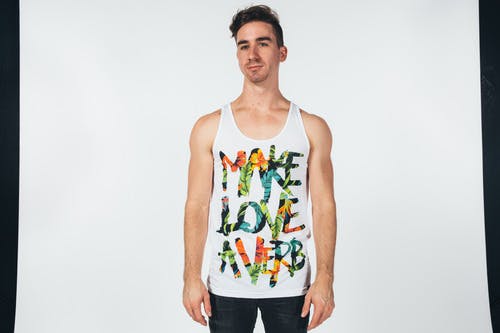


How does shirt color affect sim process?
Now it’s time to decide what shirt colors you should have your design printed on? White will always work best because the colors can blend together with a white base and create a more predictable color.
However, if you choose shirt colors that discharge well, such as black or navy, you can still get a fantastic print result. Simulated Process screen printing will work great on both light and dark garment colors, though dark is more complicated.

More about sim process art separations.
In order to successfully print a sim process job, the design will first need to be separated. The separation process will allow screen-printers to get all of the needed colors onto their own screens. All of the red ink halftones will end up on one screen, all of the green ink halftones will end up on one screen, and so forth. The separation process usually costs about $100 - $200 depending on the complexity of the design. This is generally a one-time fee which means when you come back to reorder the same design, you won’t have to pay a separation fee again.
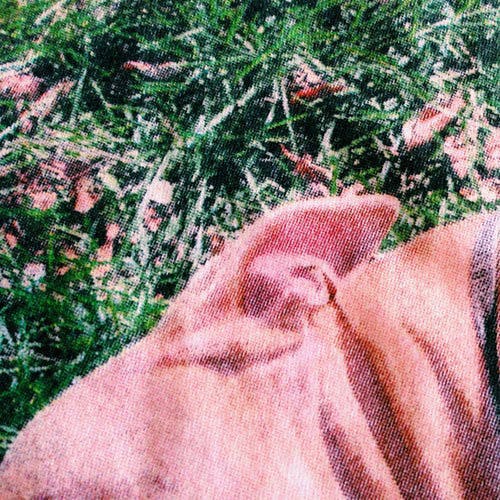
Simulated process screen printing has been growing in popularity over the past few years. If you’re thinking about using this print method on apparel, let us help you get the best print possible with our water based and discharge inks. Find your next product today to start planning your next project!
:quality(50))
:quality(50))
:quality(50))